Minimally Invasive Procedures
What does this mean for you and your pet?
As the first veterinary hospital on Cape Cod to offer minimally invasive surgery techniques, we’ve been leaders in adopting advanced surgical approaches that prioritize comfort and healing. These procedures use smaller incisions, precise tools, and camera-guided techniques to diagnose or treat conditions with fewer risks than traditional surgery.
As part of your family, we want nothing more than for your pet companions to be back on their paws again, seeking snuggles or showing that anticipatory excitement for a long walk or delicious treat. That’s why we believe that less is often more, especially when it comes to surgery. That’s why we proudly offer Minimally Invasive Surgery (MIS) techniques whenever possible, helping reduce pain, shorten recovery times, and improve outcomes for your pet.
Whether your pet needs an exploratory procedure or a planned surgical intervention, our minimally invasive approach allows them to return to normal faster with less stress on their body and yours.
Veterinary Associates of Cape Cod is the only animal hospital in southeastern Massachusetts performing these minimally invasive procedures.
Why choose minimally invasive surgery for your pet?
- Less Post-Operative Pain
Smaller incisions cause less tissue trauma, which means less pain during recovery.
- Faster Recovery
Most pets bounce back more quickly after MIS compared to traditional surgery.
- Lower Risk of Complications
Reduced bleeding, smaller wounds, and less exposure all contribute to a safer surgical experience.
- Shorter Hospital Stays
Many minimally invasive procedures allow pets to go home sooner.
- Precise and Targeted Treatment
With camera-guided tools, our veterinarians can see exactly what they need to treat.
What types of procedures can be performed using MIS?
- Exploratory Surgery
Diagnosing internal issues without large incisions.
- Bladder Stone Removal
Removal of urinary stones with reduced trauma and quicker healing.
- Prophylactic Gastropexy
A preventive surgery for at-risk breeds to help avoid life-threatening stomach twisting.
- Laparoscopy & Endoscopy
Visualizing organs and taking biopsies through tiny incisions or natural openings- no cutting required.
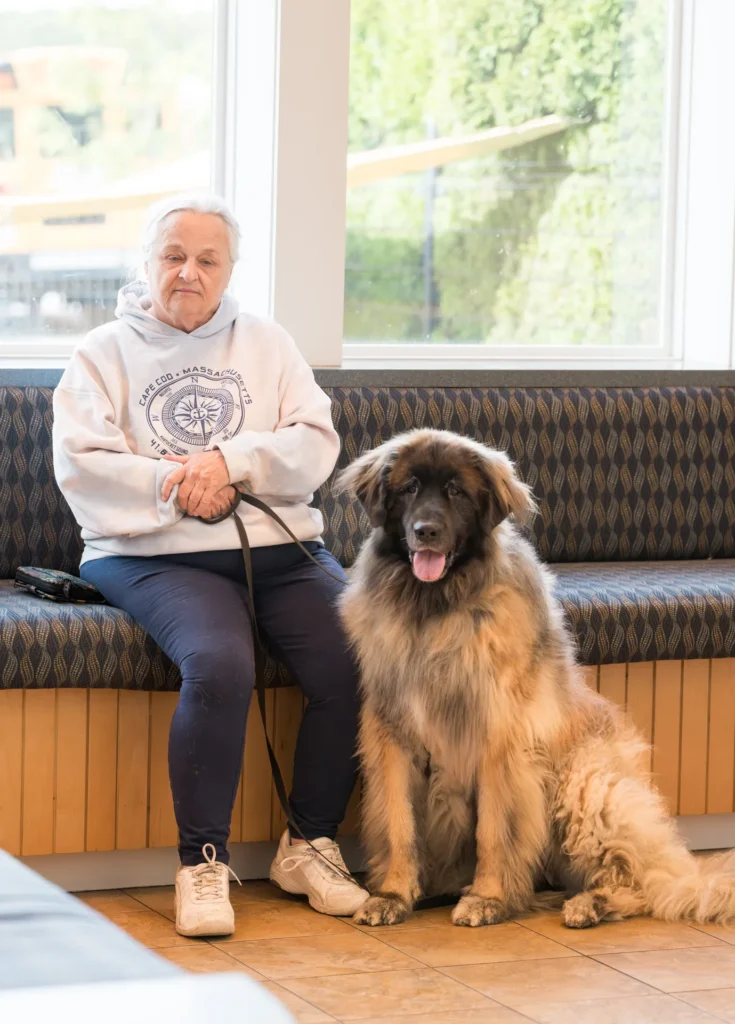
Laparoscopic Surgeries
This minimally invasive surgical technique allows us to explore the abdominal cavity with a camera through small incisions.
At Veterinary Associates of Cape Cod, we are proud to have been one of the first in the region to pioneer this surgical procedure for pets. Laparoscopy has tremendous benefits for pets. Pets experience less pain, recover faster, and have a lower risk of surgical complications. For veterinarians, laparoscopy allows us to use smaller incisions, have better visualization while performing surgery, and perform procedures with incredible accuracy.
Laparoscopy is especially useful for:
- Spays (especially large dogs)
- Liver or kidney biopsies
- Exploratory surgeries
- Gastropexy (to prevent stomach torsion in breeds prone to bloat)
Spaying Your Pet with Laparoscopy
Spaying your cat or dog is one of the most important steps in protecting their long-term health, and now it can be done with less pain and an easier recovery. A laparoscopic spay uses a tiny camera and high-tech tools to remove only the ovaries through two small incisions, about the size of a dime. It’s the difference between traditional surgery and using a precise, gentle tool to get the job done with a lighter touch. If you’re looking for the safest, most advanced way to spay your pet, this is it.
Benefits of a Laparoscopic Spay:
- Up to 65% less pain than traditional spay surgery
- Faster recovery and return to normal activity
- Enhanced surgical precision and better visibility
- Minimal to no bleeding thanks to our Ligasure Vessel Sealing System
- Lower risk of complications
- Smaller scars and more comfort for your pet
Laparoscopic Gastropexy
Some large and deep-chested dogs are at higher risk for Gastric Dilatation and Volvulus (GDV), a life-threatening condition where the stomach fills with gas and twists. Breeds commonly recommended for this procedure include Great Danes, German Shepherds, Standard Poodles, Doberman Pinschers, Weimaraners, and other large, deep-chested dogs.
A laparoscopic gastropexy is a preventive procedure that attaches the stomach to the body wall, reducing the risk of this dangerous twist.
Benefits of a Laparoscopic Gastropexy:
- Safe and minimally invasive
- Much less painful than traditional surgery
- Highly effective at preventing GDV
- Often performed at the same time as a spay or neuter